Inside the world of sync: what music supervisors want from artists
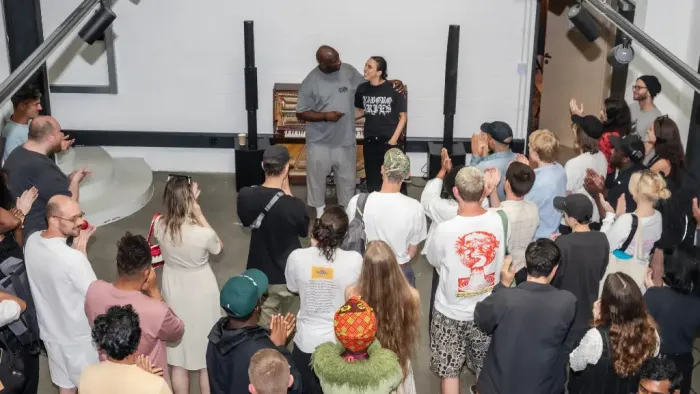
At last month's Doors Open event in East London, music supervisors, composers and agents shared practical advice on breaking into sync licensing.
On June 18th, Resident Advisor's not-for-profit jobs and opportunities platform, Doors Open, hosted a free one-day programme at 160dl Studios in East London, aimed at giving artists an insight into sync licensing and composition for film, TV, gaming and branded content. 36 musicians took part in UNLOCKED: Artists with Leland, with CDR's Tony Nwachukwu overseeing the day's five panel discussions with music supervisors, composers and agents well-versed in the world of sync. Sync licensing is the legal pairing of music with visual media. It's a simple enough concept, but one with labyrinthine processes to overcome and an overwhelming pool of talent to wade through. Tristan Wilson, founder of creative music agency Nothing Standard, claimed that "every sync is a miracle" since it is the clients, not the supervisors, who ultimately choose the music that gets picked.

Dominic Bastyra, founder of Wake The Town and Theodore Music, noted that "your hit rate [of sync jobs you win], even if you're very good, is probably going to be 30 to 40 percent." That said, music supervisors suggested numerous ways in which artists could give themselves the best chance of securing well-paid sync work. Chi Chi Nwakodo, a music supervisor at Major Tom, said she appreciated producers inviting her for a coffee or to a gig. Not only does it build a human connection alongside the music, it also means the artist is more likely to spring to mind when a new brief arrives. In general, though, it's the presentation of a musician's portfolio that can be the deciding factor in whether or not a supervisor listens to their work. Music supervisors are overwhelmed with emails every day, so artists shouldn't expect an immediate reply, and short follow-ups are always a good idea. The speakers stressed how an eye-catching pitch is one where the artist clearly knows why their music will work for a company, and includes a one-sheet along with one or two links to their music, using streaming sites such as DISCO and Chordal. These sites allow for hassle-free listening and the option for supervisors to save them in playlists. They also track metadata, such as genre and BPM, which agencies find useful when looking for music to fit a brief.

At the end of the day, a producer's work in sync is there to enhance a visual narrative. It's important musicians remember they're producing for visual impact, said Siân Rogers, company director at SIREN. Any audio that artists send should be structured into short dynamic phrases that they can picture working well with a 30-second video, and it must always be the artist’s best work–never a WIP. Across the board it was agreed that producers should be wary of pitching any music that uses samples. If music does contain samples, it's up to the artist to check they've cleared them with any one of the licensing companies: PRS, MCPS or PPL. For musicians to get consistent sync work they need both due diligence and the right attitude. Supervisors repeatedly emphasised that artists must be organised, resilient and quick to respond when working on a project. This isn't only because of how difficult it is to land a sync deal, but because once a deal is done, artists have to be open to multiple rounds of feedback, often working to tight deadlines.

James Righton, ex-lead singer of the Klaxons, said that "you've got to drop the ego. It's not really about [you]," which composer Jordan Crisp echoed before adding that "you'll naturally bring your artistic flair without even realising it." Frederic Schindler, founder of Too Young, said he was looking for "music that has personality and doesn't sound like anything else." Agencies value artists who have a distinct sonic identity and aren't trying to be a jack of all trades. Supervisors and composers also both agreed that producers should take on work for smaller, indie projects in between whatever big-budget jobs come through, as this ultimately leads to more exposure and a more intriguing portfolio. Sync licensing is a graft, but the pay-off is worth it. Oliver Pearson of OPM London said you'd be looking at £5,000 to £6,000 for a bespoke track for a TV ad for a company like Nike, which would be used for a year. Tristan Wilson spoke of a recent commercial project at Nothing Standard, where the producer and the session vocalist split a win fee of £30,000 for a re-record of a popular soul track.

Sumner gave ballpark figures for having a song featured in a video game, ranging from around £500 to 1000 for small games and up to seven-figure deals for major titles. "The economics of it are great," stressed Dominic Bastyra. With just one or two of these syncs a year, artists can pay for new equipment, a studio or even just time to put towards their next artistic project. Rather than feel disillusioned by some of the sobering realities discussed in the talks, attendees were relieved to know the industry is as difficult to enter as they'd experienced, and that musicians who they look up to were equally eager to break into this world. Many of them left feeling closer to their peers, and empowered to build relationships with music supervisors working at some of the UK's and US's leading companies.
Byline: Joseph Francis
Watch our Instagram Reel of the event:
View this post on Instagram